
.png)
 1 hour ago
1
1 hour ago
1
ARTICLE AD BOX
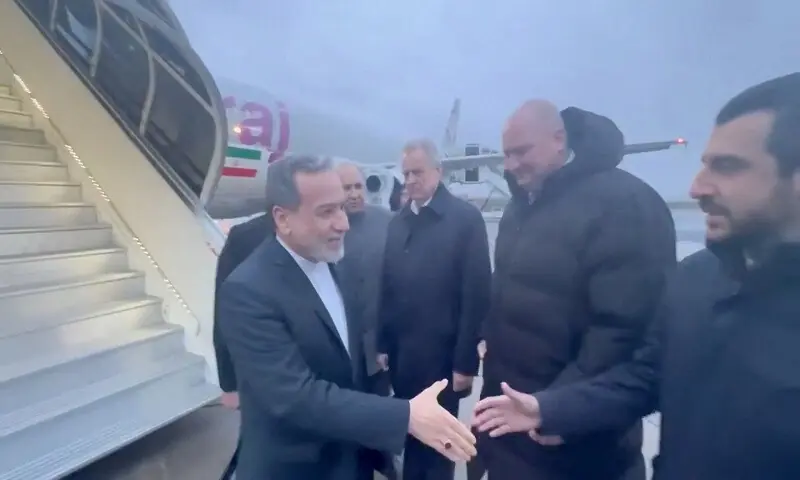
Iran has reportedly delivered a new diplomatic proposal to the United States through Pakistani intermediaries, in a development that could reshape tensions in the Gulf and reopen one of the world’s most critical energy routes — the Strait of Hormuz.
The development follows growing regional pressure, and indicates that behind-the-scenes talks between Iran and the United States are continuing, even if direct negotiations are not.
Pakistan Becomes Key Backchannel in High-Stakes Negotiations
Diplomatic sources have reported Pakistan has become a pivotal contact for the latest round of negotiations between Iran and the United States.
The offer is reported to have been transmitted via Pakistan in the context of a larger regional mediation network involving multiple players striving to de-escalate the tensions.
Oman is also believed to be engaged in parallel diplomacy, further emphasising the involvement of regional actors in managing sensitive issues in the Gulf.
Strait of Hormuz at the Center of the Crisis
Central to the proposal is the Strait of Hormuz, a narrow but critical shipping lane which transports much of the world’s oil.
The region is a global flashpoint where any disruption would have immediate global implications, making it one of the world’s most sensitive shipping lanes.
In recent weeks, concerns have emerged about maritime security, naval manoeuvrings and the prospect of oil supply interruptions.
Reported Structure of Iran’s Proposal
According to diplomatic sources, the Iranian proposal includes:
- Phase 1: Immediate reduction of tensions in the Strait of Hormuz
- Phase 2: Stabilization measures and ceasefire-related arrangements
- Phase 3: Nuclear negotiations to be addressed at a later stage
The order seems to be intended to disentangle maritime security issues from nuclear issues.
🇺🇸 U.S. Reviewing Proposal at Senior Level
The U.S. has reportedly received the proposal, and it is now being discussed at senior levels of national security. President Donald Trump will likely consult with senior security and foreign policy officials regarding the matter. No decision has been made, but Washington is still tying any long-term deal to regional security and geopolitical factors.
Rising Role of Silent Diplomacy in the Gulf
The recent development underscores a growing trend of “silent diplomacy” in a region of the world prone to conflict.
Instead of direct talk, countries like Pakistan and Oman are being used as “go-betweens” to maintain dialogue
This is believed to be a strategy to avoid escalation while avoiding politically challenging direct communication
What Happens Next?
Although the proposal has opened a new diplomatic window, the situation remains uncertain.
Key issues — including maritime security enforcement, sanctions pressure, and nuclear negotiations — remain unresolved.
However, the reactivation of backchannel talks suggests that despite tensions, both sides are still exploring ways to avoid a broader regional crisis.
The Iranian proposal to the US through Pakistan is an important backchannel negotiation aimed at reducing tensions in the Strait of Hormuz, as the US considers how best to respond to growing geopolitical tensions in the Gulf.




 English (US) ·