
.png)
 5 months ago
98
5 months ago
98
ARTICLE AD BOX
Sindh Minister praises event which featured plays in multiple languages
KARACHI:
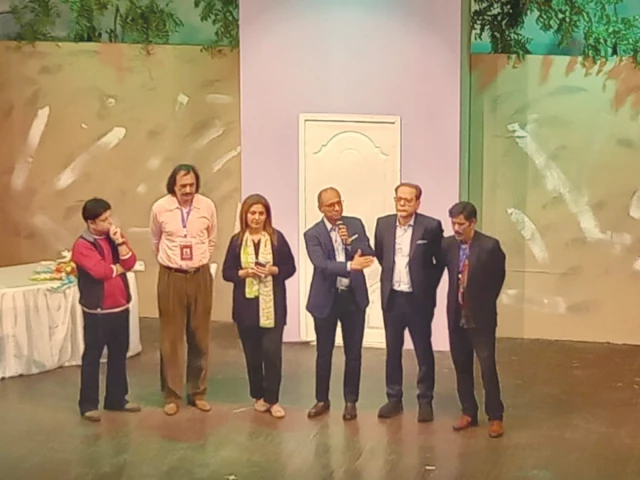
A 21-day public theatre festival organised by the Arts Council of Pakistan Karachi concluded with a closing ceremony in Karachi, where Sindh Labour Minister Saeed Ghani distributed shields and cheques among theatre directors. The festival featured performances in multiple languages, including Urdu, Sindhi, Punjabi and Balochi, drawing large audiences throughout its run. The auditorium remained full on most evenings, with free entry for the public. Speaking at the ceremony, Arts Council President Ahmed Shah said theatre practitioners have stood by the institution through "good and difficult times". "There was a time when theatre activity had declined, but now everyone is happy. Every day the auditorium was packed and people enjoyed the performances," he said, adding that efforts would be made to ensure cultural activities continue throughout the year. Saeed Ghani praised the leadership of Mr Shah, saying he had seen the Arts Council in a deteriorated condition in the past but that it had since gained renewed identity and recognition. "Ahmed Shah has kept the Arts Council vibrant. There is no one like him," he said. Referring to the World Culture Festival hosted at the council, Sindh Labour Minister said an international artist had remarked that few institutions in the world function with such dynamism. He added that the Arts Council of Karachi could compete with leading cultural institutions globally. During his address, Saeed Ghani also commented on the political situation in Sindh. He said political parties have the right to express their views but must operate within the law. "The Pakistan Peoples Party receives votes from the people of Sindh. Criticism is part of democracy, but public support is reflected in elections," he said. Saeed Ghani also responded to Jamaat-e-Islami, urging its leadership to avoid disrupting public life through road closures and protests. He said while freedom of expression is guaranteed, abusive language and violence against police officers were unacceptable and would be responded to under the law. On the festival's final day, the stage play "Jaahil", written by Amir Rambo and directed by Rafi Sheikh, was presented to audiences. The play tells the story of a poor but hardworking couple who sacrifice their own needs to educate their only son, only to face neglect after he achieves success. The narrative highlights themes of parental sacrifice, social pressure and emotional distance within families. Through emotional storytelling and social commentary, the play reflected on changing social values and the consequences of losing empathy and awareness in pursuit of success, concluding the festival on a reflective note. All senior directors took part in the festival. Senior artist, director and classical dancer Sheema Kermani also did a play. Around 30 plays were staged in Urdu and other regional languages. The council has a rich history of such events. Artists who worked on its premises such as Moin Akhtar, Umar Sharif, Sikandar Sanam and Liaquat Soldier, who are no longer in this world, became popular. The festival had kicked off with 'Seedhi Jalebi' directed by Shakil Shah and will end with 'Mujh Mein Tu Mojud' presented by Tehrik-i-Niswan. The festival involved between 400 and 500 people, including actors, directors, writers, set designers and technical staff. The festival's free-entry policy ensures that theatre is accessible to all, noting that nearly 90 per cent of Arts Council programmes are offered without tickets. Over the course of the festival, productions by a mix of established and emerging directors and writers will be staged, reflecting the diversity of Pakistan's contemporary theatre scene. Scheduled productions include Mirza Ghalib in Karachi, Hota Hai Shab-o-Roz Tamasha Mere Aage, Bohat Ho Gayi Begum, Yeh Kaisa Daur Hai?, Rab Diyan Rehmatan (Punjabi), Panjo Thino Karo (Memon), Pardes (Seraiki), Kandana Biaay (Balochi), Dil Ji Duniya (Sindhi) and Mujh Mein Tu Maujood, among others.




 English (US) ·