
.png)
 2 hours ago
1
2 hours ago
1
ARTICLE AD BOX
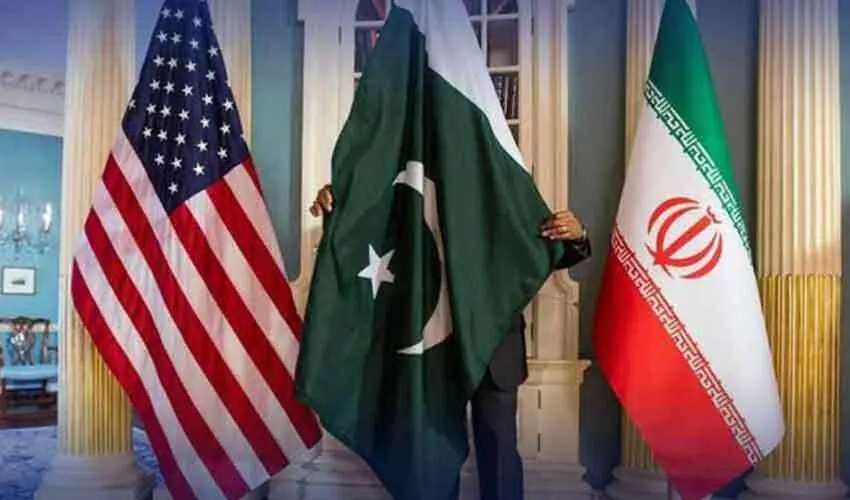
PESHAWAR, (UrduPoint / Pakistan Point News - 10th Apr, 2026) The crucial talks in Islamabad present a rare and timely opportunity for both the United States and Iran to step back from escalating tensions and pursue meaningful diplomacy imperative for lasting peace and stability in the region.
After weeks of conflict between Iran and US and a two week ceasefire reached due to momentous efforts of Pakistan, both sides now have a platform to address core disagreements, including nuclear policy, oil trade through straits of harmuz, regional security, economic sanctions besides turning the two weeks ceasefire into Islamabad peace accord.
With global energy markets shaken and instability spreading across the middle East, constructive dialogue in Islamabad could help rebuild trust and create a pathway toward long-term peace and stability in Middle East.
Moreover, Pakistan’s role as a neutral host further strengthens the chances of open communication and balanced negotiations between delegations of both the countries at Islamabad.
The experts said if approached with sincerity and flexibility, these talks could mark a turning point in US-Iran relations besides reducing prices of oil and petroleum products in world.
For Washington, it offers a chance for smooth opening of strait of harmuz and stabilize a volatile region besides preventing further economic and oil disruption, while Tehran can seek relief from sanctions, safeguarding its sovereignty and assert its position through diplomatic means rather than confrontation.
However, experts said that deep mistrust and conflicting demands remain major obstacles, making compromise essential for progress and turning fragile ceasefire into Islamabad peace accord.
Experts said even a partial agreement would be a significant step forward, signaling that dialogue—not conflict—is still a viable path in resolving one of the world’s most complex geopolitical rivalries.
Academicians in Khyber Pakhtunkhwa on Friday commended Pakistan’s growing diplomatic engagement in facilitating dialogue between the United States and Iran, terming it a constructive and timely effort toward ensuring regional peace and global stability.
Leading scholars from the University of Peshawar emphasized that Pakistan’s evolving role as a mediator reflects its commitment to peaceful conflict resolution and multilateral diplomacy at a time of heightened tensions in the Middle East.
Professor Dr. Z.A. Hilali, former Chairman of the Political Science Department, highlighted Islamabad’s sustained diplomatic outreach aimed at bringing the two long-standing adversaries to the negotiating table.
Talking to APP, he said that Pakistan’s proactive diplomacy underscores its intent to promote dialogue over confrontation.
“Pakistan has emerged as a credible mediator at a critical juncture when the Middle East is engulfed in instability,” he said, adding that the country’s balanced foreign policy and strong ties with regional stakeholders have enabled it to play a bridging role between Washington and Tehran.
Professor Dr. Ejaz Khan of the International Relations Department said Pakistan has intensified diplomatic engagement in recent months, facilitating backchannel communications between the two sides following Iran-US conflict.
He revealed that Islamabad is hosting crucial interactions involving representatives from the United States and Iran, with the aim of reducing tensions and paving the way for formal negotiations.
“All eyes are on Islamabad as delegations from both countries started arriving for the crucial dialogue,” he remarked.
Dr. Ejaz Khan added that these efforts follow sustained diplomatic initiatives by Pakistani leadership to prevent further escalation and convert two weeks ceasefire to Islamabad peace accord.
He stressed that Pakistan’s role demonstrates its increasing relevance in global diplomacy, particularly at a time when traditional communication channels between Washington and Tehran remain constrained.
The academicians, however, cautioned that while Pakistan’s facilitative role is commendable, the success of the dialogue ultimately hinges on the willingness of both parties to make meaningful compromises.
“Diplomacy is a gradual and delicate process. Pakistan has laid significant groundwork, but lasting peace depends on the commitment of all stakeholders,” he said.
The experts reiterated that Pakistan has consistently advocated dialogue as the only viable path to resolving complex geopolitical conflicts, emphasizing that confrontation would only exacerbate regional instability.
They also lauded the leadership of Shehbaz Sharif, Ishaq Dar, and Asim Munir for their coordinated efforts in advancing Pakistan’s diplomatic agenda and promoting peace in the region.

 English (US) ·